
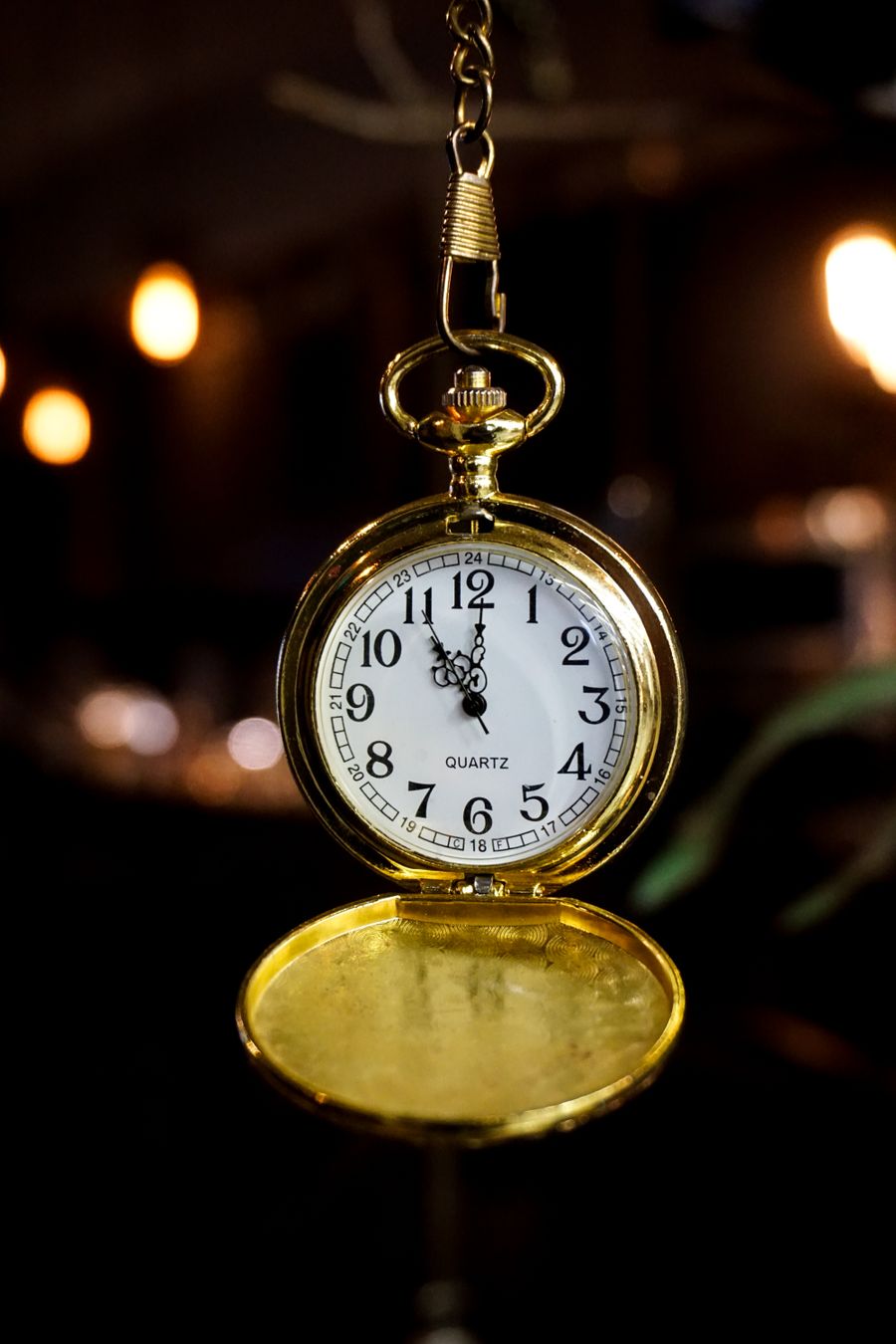
The Perpetual Calendar's Debt to the Stars
How astronomers and clockmakers conspired to capture the erratic rhythms of a solar year — and gave us one of watchmaking's most coveted complications.
All Writing
Essays on the history, craft, and philosophy of mechanical timekeeping.
How astronomers and clockmakers conspired to capture the erratic rhythms of a solar year — and gave us one of watchmaking's most coveted complications.
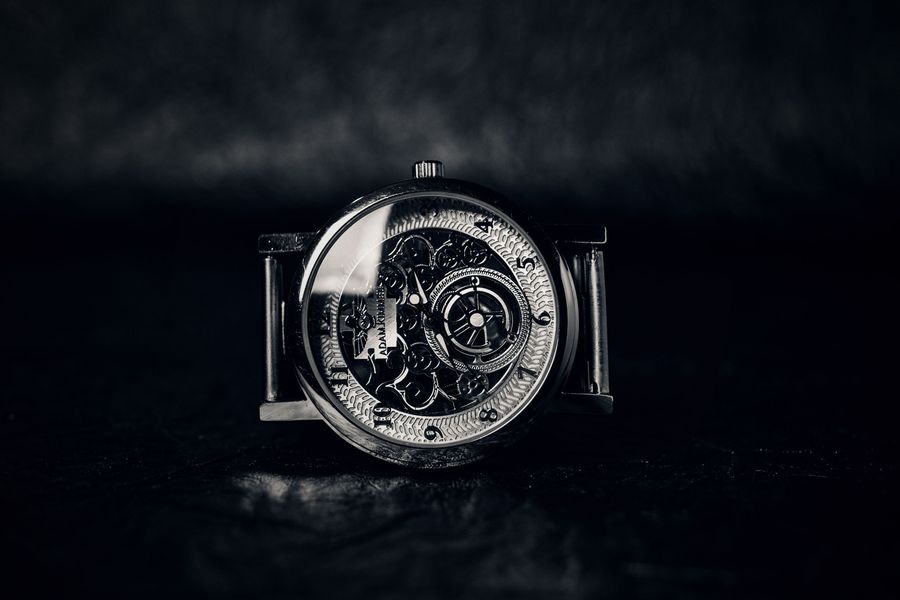
Breguet conceived it to defeat gravity. Two centuries on, wrist watches are never held upright long enough for gravity to matter — yet the tourbillon endures.

John Harrison's H4 solved a navigational crisis that had plagued sailors for centuries, and in doing so, quietly reshaped the modern world.
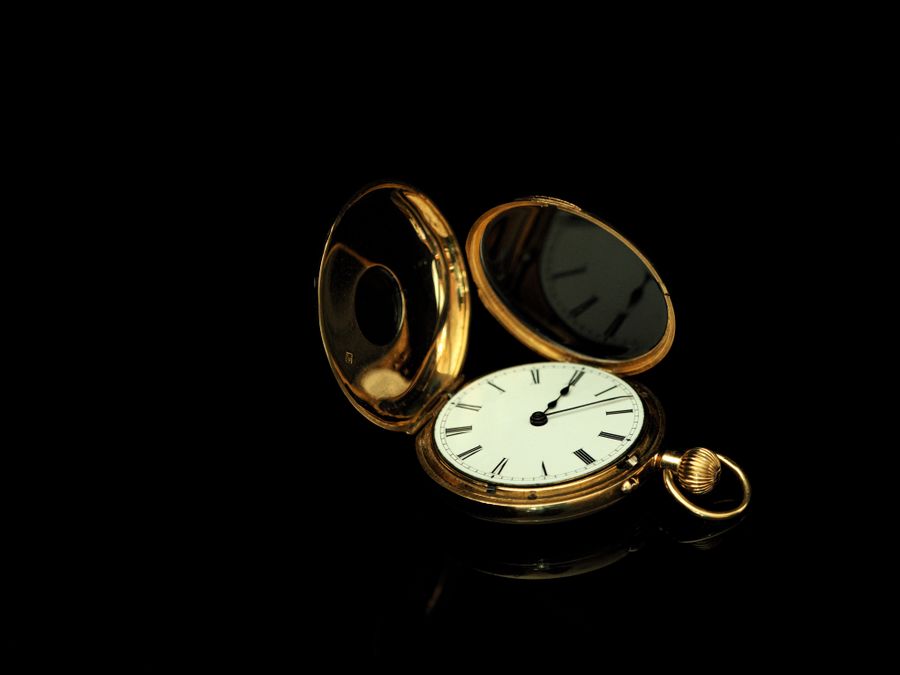
The rose engine lathe is a dying instrument, and with it, one of watchmaking's most meditative and precise decorative arts. A visit to the last ateliers still practicing by hand.

Why do we reach for a mechanical watch in an age of atomic precision? A meditation on the tactile, imperfect, and deeply human experience of the ticking second.
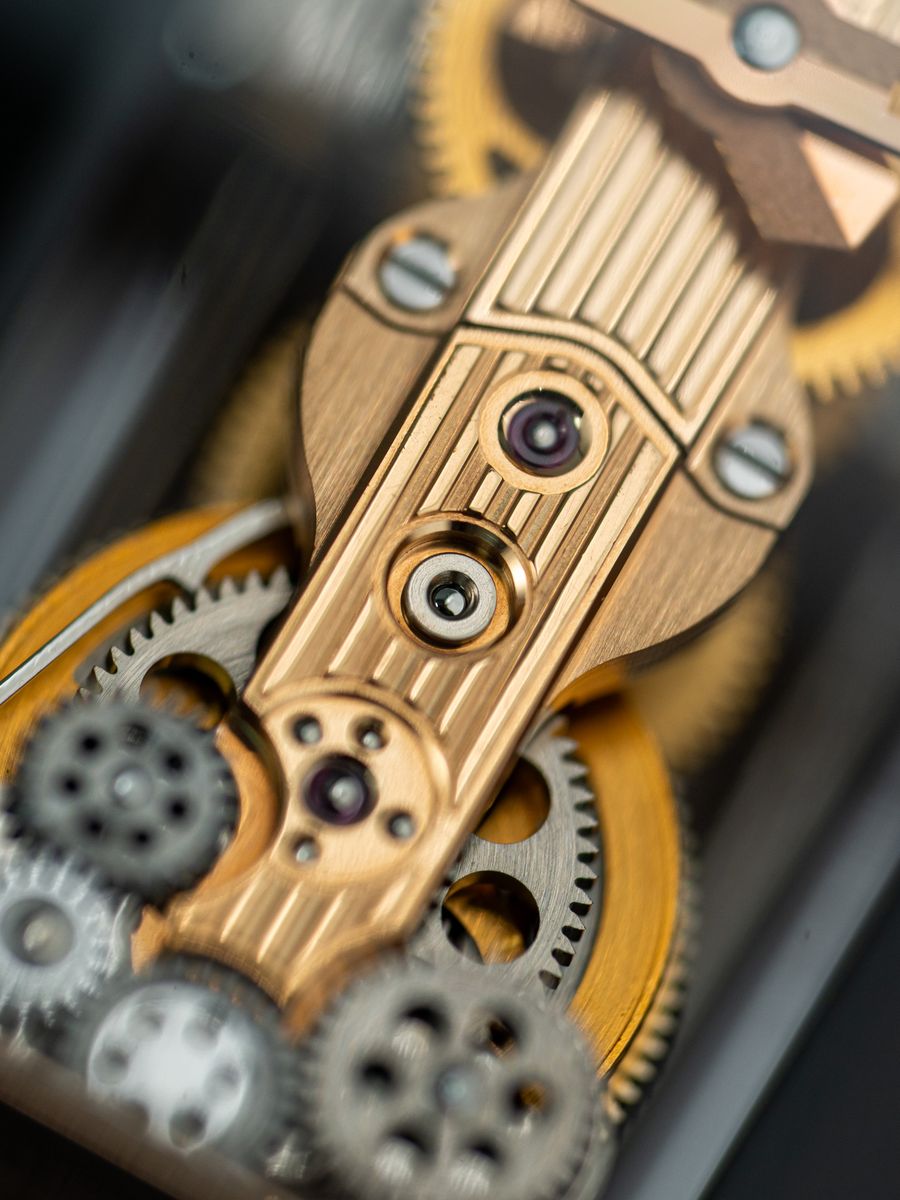
Thomas Mudge's invention of 1765 still beats inside most mechanical watches today. An exploration of why no one has decisively improved upon it.
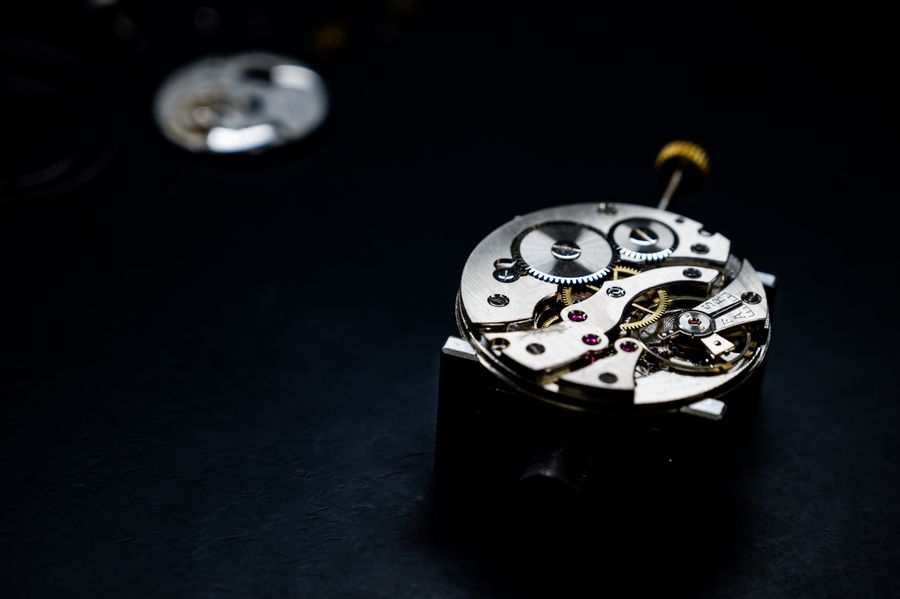
A generation of watchmakers has turned away from conglomerates to work alone or in small ateliers, producing movements of astonishing invention and intimacy.
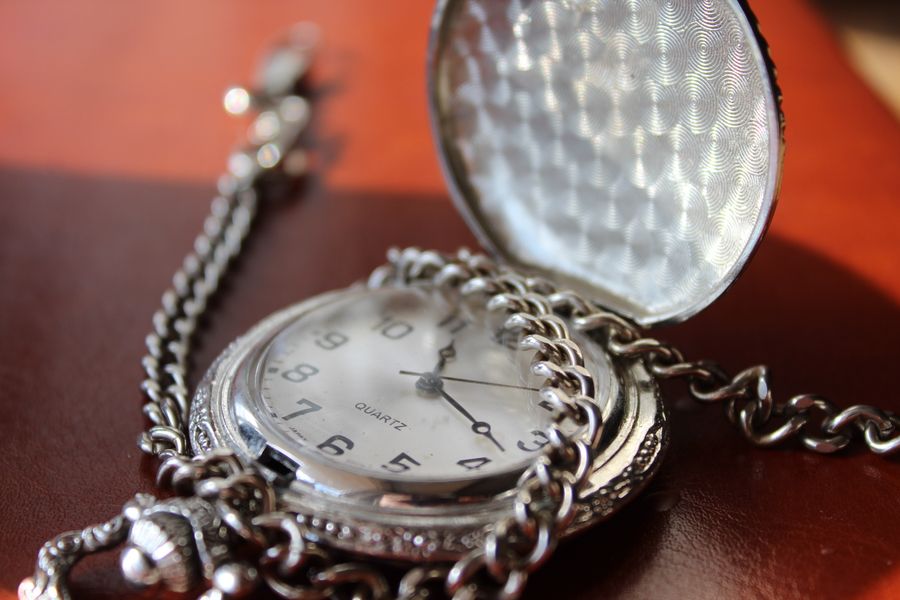
No single innovation improved the portable clock's accuracy more than Breguet's overcoil hairspring. The story of its geometry, and the obsession behind it.

The finishing of a watch movement is a discipline unto itself — surfaces that few eyes will ever see, worked to a standard that defines an entire philosophy of craft.